
Compare estate car hire and station wagon rental worldwide. See real boot sizes and how to make sure your booking is actually an estate, not a hatchback.
Estate car hire in the UK gets you a five-seat car with a boot bigger than most family SUVs, usually for less than an SUV or people carrier. Compare estate rental prices from major suppliers at UK airports and city branches below, then use this guide to make sure the car you book is actually an estate.
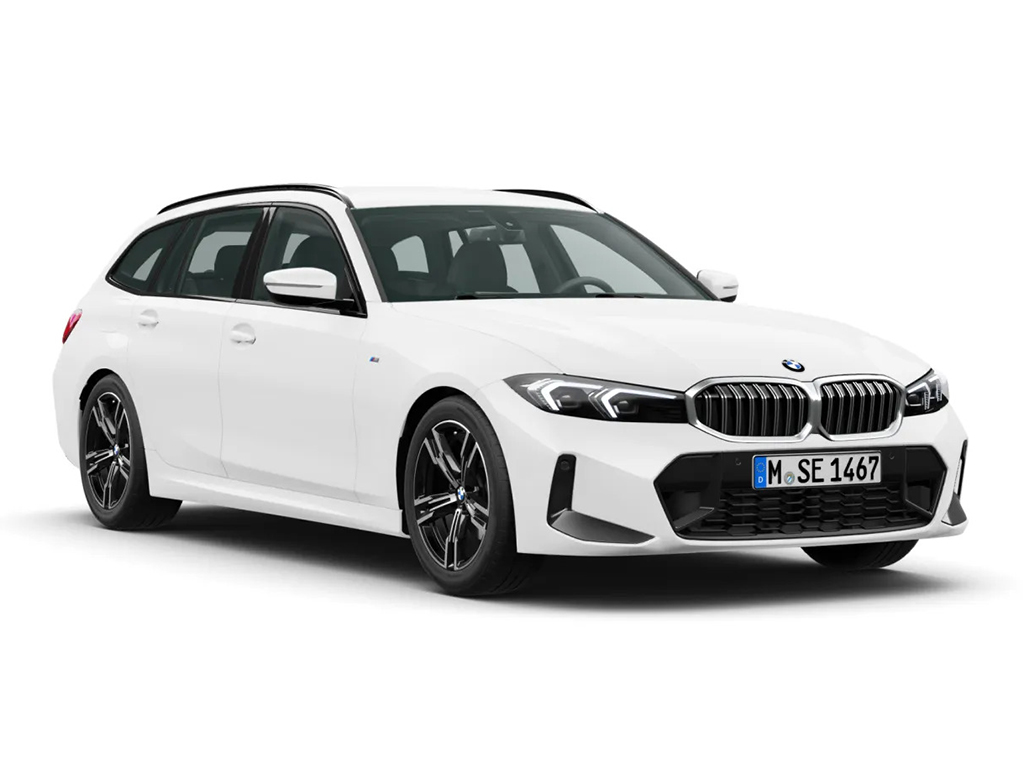
If you’re searching from outside the UK, an estate car is the same thing as a station wagon in the US and Canada, or a wagon in Australia and New Zealand. Car makers badge them differently again: Touring at BMW, Avant at Audi, SW at Peugeot and Sports Tourer at Vauxhall.
Most people hiring an estate want one thing: room for luggage without moving up to a seven-seater. Airport runs with big suitcases, a week in Cornwall with the dog, moving a student into halls, or a work trip with sample cases and a display stand. An estate handles all of these with ordinary car running costs.
What Is an Estate Car?
An estate car is a hatchback or saloon with the roofline extended to the back of the car, creating a tall, square load area behind the rear seats and a full-height tailgate. Skoda, Volkswagen and Mercedes-Benz simply call theirs Estate.
Estates seat five, not seven. If you need more than five seats, you need a people carrier or a seven-seat SUV instead.
In the rental industry, body style is coded by the second letter of the four-letter ACRISS (SIPP) code (read our full guide to car hire codes). The letter W means Wagon/Estate. A code like IWMR is an intermediate estate with a manual gearbox and air conditioning. SWAR is a standard estate, automatic. This matters when you book, as explained below.
Which Estate Car Will You Actually Get?
Hire companies guarantee a category, not a model. The listing will say something like “Skoda Octavia or similar”, and here is the catch: the Octavia comes as a hatchback and an estate, and many listings for that class don’t specify which. Enterprise UK, for example, lists its intermediate class as “Skoda Octavia or similar” with a three-bag allowance, with no guarantee of the estate body.
To be sure you get an estate, check that the listing says estate, wagon, Touring, Avant or SW, or that the ACRISS code has W as its second letter. If the listing only gives a model name and a D (4-5 door) code, you are booking a hatchback or saloon.
The estates most common in UK hire fleets, with manufacturer boot figures (seats up, measured to the load cover):
| Model | Boot, seats up | Boot, seats folded | Typical hire class |
|---|---|---|---|
| Skoda Superb Estate / VW Passat Estate | 690 litres | 1,920 litres | Standard / Full-size estate |
| Skoda Octavia Estate | 640 litres | 1,700 litres | Intermediate estate |
| Mercedes-Benz E-Class Estate | 615 litres | n/a | Premium / Luxury estate |
| Skoda Superb Estate plug-in hybrid | 510 litres | 1,770 litres | Standard estate (hybrid) |
| For comparison: Kia Sportage (SUV) | 591 litres | n/a | Intermediate SUV |
| For comparison: Nissan Qashqai (SUV) | 504 litres | n/a | Compact SUV |
Two models you may still see on older listings are no longer built. The Ford Mondeo estate and the Vauxhall Insignia Sports Tourer have both left production, and the Ford Focus Estate has now followed them. Some fleets still run late examples, but the Octavia, Superb and Passat now make up the bulk of estate hire cars in the UK. The current Passat is sold only as an estate.
One detail worth knowing: plug-in hybrid estates lose boot space to the battery. A Superb Estate PHEV has 510 litres against 690 litres for the petrol and diesel versions. If luggage is the reason you’re hiring an estate, a PHEV in the same class can cost you a suitcase.
How Much Luggage Fits in an Estate Hire Car?
Hire companies quote bags, not litres. Enterprise UK rates its Octavia-class cars at three bags and its Mercedes E-Class class at four. In practice those figures are conservative for the estate versions. What Car? fitted nine carry-on cases below the parcel shelf of an Octavia Estate in its testing.
As a working guide, an intermediate estate like the Octavia takes two large checked suitcases plus two or more cabin bags with all five seats in use. A large estate such as the Superb or Passat takes three or four large cases. Fold the 60/40 rear seats and a large estate will carry a bike with its wheels on, or flat-pack furniture up to around two metres long.
Estate Car or SUV for a Long UK Trip?
For a long UK trip with lots of luggage, an estate is usually the better hire. The table above shows why: a Skoda Octavia Estate has more boot space than a Kia Sportage, and a Superb or Passat Estate has around 186 litres more than a Nissan Qashqai. Estate boots are also long and flat, which suits suitcases better than the shorter, taller boot of a crossover.
Estates also sit lower, so they are quieter at motorway speeds and generally use less fuel than an SUV with the same engine. On a 400-mile trip from London to Cornwall and back, that adds up.
An SUV makes more sense in two situations. The first is if anyone in your group finds getting in and out of a low car difficult, since the higher seat is easier on knees and backs. The second is length: a Superb or Passat Estate is close to 4.9 metres long, roughly half a metre longer than a Qashqai, which you will notice in tight city car parks and narrow Cornish or Lake District lanes. If parking in older town centres is a big part of your trip, an intermediate estate like the Octavia is the better compromise.
Estate Car Hire UK
All the large national rental companies in the UK run estates, at airport desks and city branches alike. Skoda Octavia and Superb Estates make up most of the category, with the Passat and premium German estates at the top end. Availability and pricing differ a lot between airports and town branches, so it pays to check both.
Estate Car Hire at UK Airports
Airport estate car hire is the most common use for this category, because a family of four with checked luggage will struggle in a standard hatchback. Heathrow, Gatwick, Manchester, Birmingham, Edinburgh and Glasgow airports all have the major suppliers on or near site, and all of them run estates in their fleets.
At Heathrow most rental desks are off-airport in the Hillingdon and Hounslow area, reached by courtesy bus, so allow an extra 20 to 30 minutes for pickup. At Gatwick, Manchester and Birmingham the main suppliers are in multi-storey car parks or rental villages a short walk or shuttle from the terminal.
Estates are a smaller share of airport fleets than hatchbacks and SUVs. In school holidays the estate category often sells out first at the busiest airports, so book as early as you can and filter results to show estates only.
Estate Car Hire in London, Birmingham and Other UK Cities
City branches in London, Birmingham, Manchester, Oxford, Watford and most large towns carry estates, though smaller branches may hold only a handful. If a local branch shows none available, check the nearest airport, which will almost always have more stock.
Two city-specific costs to plan for. Central London’s Congestion Charge applies to hire cars and is the driver’s responsibility to pay. If it goes unpaid, the penalty is passed to the hire company, which will charge it to your card along with an admin fee. Birmingham’s Clean Air Zone and London’s ULEZ are less of a concern, as the recent petrol and hybrid estates in hire fleets meet the emissions standards, but check if you are offered an older diesel.
Company and Business Estate Car Hire
Estates are a common choice for company car hire because they carry equipment, samples and display material out of sight under a load cover, which a van or pickup can’t match for security or presentation.

If your business hires regularly, it’s worth opening a business account directly with one of the large suppliers. Accounts usually bring invoiced billing, VAT receipts and pre-agreed insurance terms, and some suppliers deliver and collect cars at your office. For occasional business trips, booking through a comparison site is usually cheaper.
Two things to check on business hires: the mileage allowance, since some cheaper rates cap daily miles, and whether your employer’s insurance or the hire company’s cover applies. Many employers require a DVLA check code for every driver before a company hire.
Luxury and Premium Estate Car Hire
Premium estate hire covers cars like the Mercedes-Benz E-Class Estate, BMW 5 Series Touring and Audi A6 Avant, usually with an automatic gearbox as standard. They’re a good fit for executive travel, weddings or long motorway trips where comfort matters more than price.
The same “or similar” warning applies here, and it matters more. Premium classes are often filled with saloons, so an “E-Class or similar” booking may be an E-Class saloon. Look for the W in the ACRISS code, or ring the branch before booking to confirm they hold premium estates. Premium estates also don’t necessarily carry more: the 5 Series Touring’s 570-litre boot is smaller than a Skoda Octavia Estate’s.
Manual or Automatic?
Manual estates are still the cheapest option in UK and European fleets. Automatics are increasingly common, especially in the premium and hybrid classes where they are the only option, but they cost more and sell out faster in peak weeks. If you only drive automatics, book early and make sure the third letter of the ACRISS code is A (or B/D for automatic four-wheel or all-wheel drive).
Petrol, Diesel or Hybrid?
Diesel used to be the default for estate hire cars. That has changed. The current Passat Estate is sold in the UK without a diesel option, and newer fleet estates are mostly petrol mild hybrids, full hybrids like the Corolla Touring Sports, or plug-in hybrids. Diesel estates still appear, mainly Skoda Octavias and Superbs.
For a long motorway trip, diesel still returns the best economy. For mixed town and country driving, a full hybrid will match or beat it. If you get a plug-in hybrid and can’t charge it during your hire, it runs as a heavy petrol car, and you’ve also lost boot space.
What You Need to Hire an Estate Car in the UK
- A full driving licence, usually held for at least one or two years. Check the supplier’s terms, as larger categories sometimes require longer.
- A DVLA check code if you hold a GB licence. Generate it on the GOV.UK “View or share your driving licence information” service. Each code can be used once and is valid for 21 days, so create it within three weeks of pickup.
- A credit card in the main driver’s name for the security deposit. Many suppliers won’t accept debit cards for the deposit, or charge more if they do.
- Proof of age. The minimum is usually 21 to 25 depending on supplier and category, with a young driver surcharge under 25. Some independents won’t rent their estates to drivers under 25 at all because they class them as larger vehicles.
Overseas licence holders should bring their passport and, where the licence isn’t in English or isn’t a photocard, an International Driving Permit.
Insurance and Excess
UK hire prices include third-party cover, a collision damage waiver and theft protection, but both waivers carry an excess. That excess is often over £1,000 on an estate, and the security deposit held on your card is usually linked to it. Windscreens, tyres, the underside of the car and lost keys are commonly excluded.
You can reduce the excess at the desk, which is convenient but expensive per day, or buy standalone car hire excess insurance before you travel, which is typically far cheaper for the same cover. With a standalone policy you pay the hire company first and claim the money back.
Taking a UK Hire Estate Abroad
Most UK suppliers let you take a car to mainland Europe or Ireland if you tell them at booking. Expect a cross-border fee, extended breakdown cover and a VE103B certificate, which is the document that proves you’re allowed to take a hired vehicle out of the UK. Some suppliers exclude premium models or certain countries, and one-way rentals ending abroad are rarely possible. Driving into the Republic of Ireland from Northern Ireland also counts as cross-border travel, so declare it.
Cheap Estate Car Hire: How to Pay Less

The intermediate estate class (Octavia Estate or similar) is usually the cheapest way to get estate-level boot space. It carries more than a Sportage and most premium estates for less money. Beyond picking the right class, these make the biggest difference to price:
- Book a manual if you can drive one. It’s usually the lowest rate in each class.
- Compare airport and city pickup. Airport branches add location surcharges, and a town branch a short taxi ride away can be cheaper for longer hires.
- Choose full-to-full fuel. Pre-paid fuel policies charge for a full tank at the supplier’s price with no refund for fuel you bring back.
- Sort excess cover before you arrive rather than buying it at the desk.
- Avoid one-way hires where you can, as drop-off fees between cities can exceed the hire price itself.
- Check weekly rates. A seven-day hire often costs little more than five days.
Before You Book: A Quick Checklist

- The listing says estate, wagon, Touring, Avant or SW, or the ACRISS code has W as the second letter.
- It isn’t a plug-in hybrid, if boot space is your priority.
- Gearbox, mileage allowance and fuel policy are what you expect.
- Cross-border travel, extra drivers and child seats are declared and priced at booking, not at the desk.
At pickup, photograph or video the car all round, including the wheels and windscreen, and check the boot has its load cover. Do the same on return.
Hiring an Estate Outside the UK
Estates are easy to find across most of Europe, particularly in Germany, Austria, Switzerland and Scandinavia, where they remain popular. Local names help when reading listings: Kombi in Germany and Austria, break in France, familiar in Spain and station wagon in Italy. Popular pickup points include Paris, Nice, Munich, Frankfurt, Zurich, Geneva, Vienna, Amsterdam, Rome, Milan, Barcelona, Madrid, Malaga and Faro, as well as Dublin in Ireland.
In the United States and Australia it’s a different story. Station wagons have almost disappeared from rental fleets there, and a request for more luggage space will get you a mid-size SUV or a minivan. If you’re hiring in Florida, California or Sydney, book an SUV class and check its luggage rating instead of searching for an estate.
Estate Car Hire vs Contract Hire and Leasing
This site covers short-term estate car hire, from a day to a few weeks. Contract hire and leasing are long-term arrangements, typically two to four years, with a fixed monthly payment, and are arranged through leasing brokers rather than rental companies. If you need an estate for one to three months, ask suppliers about monthly rental rates, which sit between the two.
Estate Car Hire FAQs
Is an estate car better than an SUV for a long UK trip?
Usually, yes, if luggage space and fuel costs are the priority. A Skoda Octavia Estate has a 640-litre boot against 504 litres in a Nissan Qashqai, and estates are generally quieter and more economical on motorways. An SUV is better if passengers need a higher seat to get in and out easily.
How do I make sure I get an estate and not a hatchback?
Check that the listing says estate, wagon, Touring, Avant or SW, or that the second letter of the ACRISS code is W. “Skoda Octavia or similar” on its own does not guarantee the estate version.
How many suitcases fit in an estate hire car?
An intermediate estate like the Octavia takes two large suitcases plus cabin bags with five people on board. A large estate like the Superb or Passat takes three or four large cases. Folding the rear seats takes a large estate to between 1,700 and 1,920 litres.
Is estate car hire more expensive than a normal car?
It costs more than an economy or compact hatchback, but usually less than an SUV of similar boot size and well below a people carrier.
Can I choose a specific estate model?
Not usually. Suppliers guarantee a category, not a model. You can add a model preference to your booking, but the branch doesn’t have to honour it.
What do I need to hire an estate car with a UK licence?
Your photocard licence, a DVLA check code (valid for 21 days), a credit card in the main driver’s name and, at some suppliers, proof of address.
Can I take a UK hire estate abroad?
Most suppliers allow it if you declare it at booking. You will pay a cross-border fee and receive a VE103B certificate authorising you to take the car out of the UK.
Can I hire an estate car at the airport?
Yes. All the main UK airports, including Heathrow, Gatwick, Manchester and Birmingham, have suppliers with estates in their fleets. Book early in school holidays, when the estate category tends to sell out first.
How This Guide Was Researched
Boot capacities come from manufacturer figures as published by What Car?, Parkers, Carwow and Top Gear. Vehicle class and luggage ratings were checked against UK supplier fleet listings, including Enterprise UK. Rental coding follows the ACRISS classification standard, and licence rules come from the DVLA and the BVRLA. Fleets and rental terms change, so always confirm the details on your booking before you pay.
Sources
- ACRISS: Car classification codes
- What Car?: Skoda Octavia Estate review
- Parkers: Skoda Octavia Estate boot space and practicality
- Top Gear: Skoda Superb Estate interior and boot
- heycar: Skoda Superb Estate review
- Carwow: Skoda Superb Estate review
- Motor1: VW Passat Estate dimensions and boot space
- Parkers: Nissan Qashqai vs Kia Sportage twin test
- Ford Authority: Ford Focus production to end in November 2025
- GOV.UK: View or share your driving licence information
- BVRLA: Taking a rented or leased vehicle abroad